
Introduction
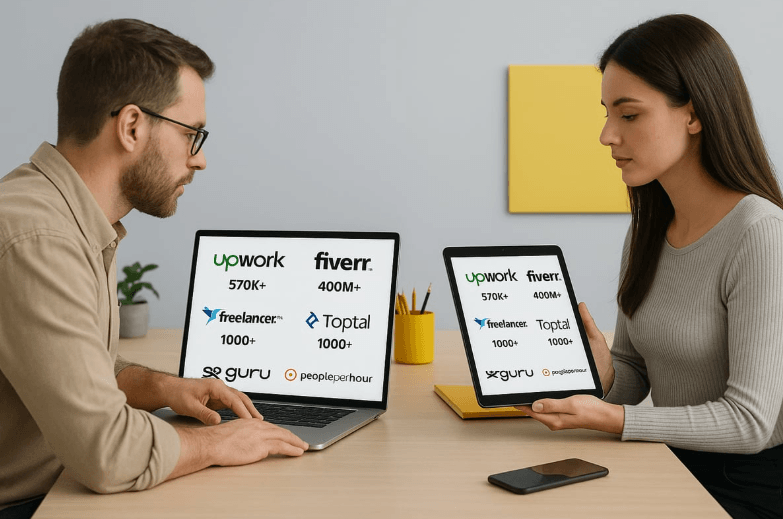
Upwork remains one of the most recognised freelance marketplaces in the world, connecting businesses with professionals across industries such as software development, design, marketing, content creation, and consulting. Its global reach and extensive talent pool make it a popular choice for companies seeking flexible hiring solutions.
However, many businesses explore alternatives for various reasons. Some want access to different talent pools, while others seek specialised expertise, lower competition, improved hiring experiences, or more flexible pricing models. As the freelance economy continues expanding, new platforms are emerging alongside established competitors, giving businesses more options than ever before.
Companies researching sites like Upwork should evaluate platforms based on talent quality, hiring efficiency, communication tools, payment security, and long-term value rather than simply choosing the most popular option. The best platform is often the one that aligns most closely with a company’s specific hiring needs.
Why Businesses Look Beyond Upwork
Upwork offers many advantages, but it may not be the perfect fit for every project.
Common reasons businesses explore alternatives include:
- Different pricing structures
- Specialised talent requirements
- Faster hiring needs
- Lower competition
- Unique marketplace features
Different platforms serve different audiences.
Choice creates flexibility.
What Makes a Freelance Marketplace Valuable?
Before comparing platforms, it helps to understand what matters most.
Important factors often include:
- Talent quality
- Secure payments
- Communication tools
- Project management features
- Platform transparency
The strongest marketplaces create positive experiences for both clients and freelancers.
Trust remains essential.
1. Freelancer
Freelancer is one of the largest global freelance platforms.
Businesses can:
- Post projects
- Receive bids
- Compare proposals
- Hire professionals directly
Popular categories include:
- Web development
- Design
- Writing
- Marketing
- Engineering
The platform offers access to a large international talent pool.
2. PeoplePerHour
PeoplePerHour combines traditional project hiring with service-based offerings.
Businesses can:
- Hire freelancers directly
- Browse pre-packaged services
- Request custom work
Its flexible structure appeals to companies seeking both short-term and ongoing support.
The platform supports a wide variety of creative and technical services.
3. Guru
Guru focuses on professional collaboration and long-term working relationships.
Features often include:
- Project management tools
- Secure payment systems
- Team collaboration features
Businesses use Guru for:
- Development
- Design
- Writing
- Consulting
Many clients appreciate its organised workflow environment.
4. Fiverr
Fiverr introduced a service-based marketplace model that differs from traditional bidding platforms.
Businesses can browse services across categories such as:
- Graphic design
- SEO
- Video production
- Writing
- Programming
The platform provides a fast and straightforward purchasing process.
Predefined service packages simplify hiring decisions.
5. Emerging Freelance Marketplaces
Newer freelance platforms continue gaining attention by focusing on:
- Specialised talent
- Community-driven growth
- Flexible pricing
- Improved freelancer visibility
Many businesses are exploring alternative marketplaces that prioritise quality connections, streamlined workflows, and more balanced opportunities for both clients and freelancers.
Innovation continues reshaping the freelance industry.
See also: Identity and Access Management Explained
Talent Quality Should Be a Priority
The size of a platform matters less than the quality of available professionals.
Businesses should evaluate:
- Portfolios
- Reviews
- Experience
- Communication skills
Strong talent often delivers more value than access to thousands of average candidates.
Quality drives results.
Faster Hiring Improves Efficiency
One reason businesses explore alternatives is hiring speed.
The best platforms help companies:
- Identify candidates quickly
- Compare options efficiently
- Reduce administrative work
Time saved during hiring often translates into faster project completion.
Efficiency creates competitive advantages.
Communication Tools Matter
Successful freelance projects depend heavily on communication.
Useful platform features often include:
- Messaging systems
- File sharing
- Project tracking
- Notifications
Clear communication reduces misunderstandings and improves collaboration.
Professional interactions build trust.
Secure Payments Reduce Risk
Reliable payment systems benefit both parties.
Important features include:
- Escrow protection
- Transparent payment schedules
- Dispute resolution
- Secure transactions
Financial security increases confidence throughout the hiring process.
Trust supports participation.
Long-Term Relationships Create More Value
Many businesses initially focus on one-time projects.
However, the strongest freelance relationships often become ongoing partnerships.
Benefits include:
- Better communication
- Faster onboarding
- Improved project quality
- Greater efficiency
A good freelancer can become a valuable extension of your team.
Consistency creates results.
Consider Platform Fees
Different marketplaces use different pricing models.
Before choosing a platform, review:
- Service fees
- Transaction costs
- Membership requirements
- Payment processing charges
Understanding costs helps businesses evaluate overall value more accurately.
Transparency matters.
Why Specialisation Is Growing
Many modern platforms focus on specific industries or skill sets.
Examples include:
- Development marketplaces
- Design communities
- Marketing platforms
- AI-focused talent networks
Specialisation often improves talent matching and project outcomes.
Relevant expertise creates efficiency.
Common Hiring Mistakes to Avoid
Businesses often encounter problems when they:
- Focus only on price
- Skip portfolio reviews
- Ignore communication skills
- Rush the hiring process
Careful evaluation significantly improves the likelihood of project success.
Preparation saves time later.
The Future of Freelance Hiring
Freelance hiring continues evolving rapidly.
Future trends are likely to include:
- AI-powered matching
- Faster payments
- Improved project management tools
- Better freelancer discovery
- Enhanced collaboration features
Businesses will continue benefiting from broader access to global talent.
Flexibility remains a major advantage.
Conclusion
While Upwork remains a leading freelance platform, it is far from the only option available in 2026. Platforms such as Freelancer, PeoplePerHour, Guru, Fiverr, and emerging marketplaces each offer unique advantages depending on your hiring needs.
The best choice depends on your goals, budget, preferred workflow, and the type of talent you require. By focusing on quality, communication, security, and long-term value, businesses can identify the platform that helps them build successful freelance relationships and complete projects more effectively.
The strongest hiring decisions are not based on platform popularity alone.
They are based on finding the right talent through the right marketplace.