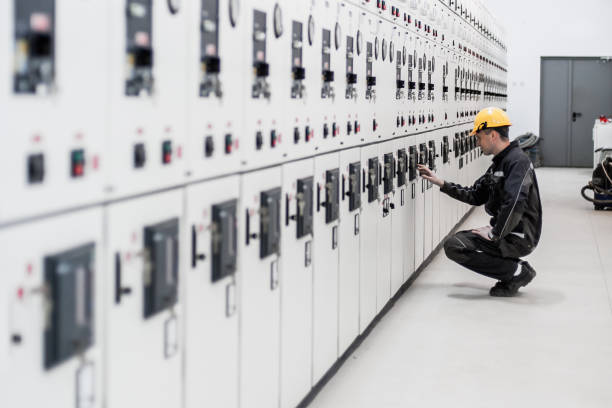

Modern electrical systems require reliable equipment to control, protect, and distribute electricity safely. From industrial facilities and commercial buildings to infrastructure projects and large residential developments, electrical power must be delivered efficiently while minimizing the risks associated with overloads, short circuits, and equipment faults. A power switch board is an important component that helps manage these requirements by providing a centralized location for switching, protection, monitoring, and distribution.
A properly designed power switch board can help organize electrical circuits and make it easier for qualified personnel to control and maintain a power distribution system. Depending on its design, it may contain circuit breakers, switches, busbars, protective relays, meters, and other electrical components.
Understanding how a power switch board works and the benefits it provides can help businesses, facility managers, engineers, and electrical professionals make informed decisions when designing or upgrading electrical infrastructure.
What Is a Power Switch Board?
A power switch board is an electrical assembly used to receive incoming electrical power and distribute it to multiple outgoing circuits. It also provides switching and protective functions that help control the flow of electricity throughout a facility or electrical network.
The size and configuration of a switch board can vary considerably. Smaller systems may serve a limited number of circuits, while large industrial switchboards can manage substantial electrical loads and supply numerous feeders.
See also: Executive Burnout Rarely Looks Like Burnout — And That Is Exactly the Problem
Main Components of a Power Switch Board
A typical power switch board may include several key components:
- Main circuit breakers
- Feeder circuit breakers
- Disconnect switches
- Busbars
- Protective relays
- Energy meters
- Current and voltage transformers
- Surge protection devices
- Grounding components
- Control and monitoring equipment
Each component contributes to the overall operation and safety of the electrical distribution system.
How Power Is Distributed
Incoming electricity enters the switch board through a main connection. The power is then distributed through busbars and feeder circuits to different areas, machines, panels, or equipment.
Protective devices can interrupt individual circuits when abnormal conditions occur. This allows electrical systems to be divided into manageable sections and can help limit the effects of certain faults.
Improving Electrical Safety With Power Switch Boards
Safety is one of the primary reasons power switch boards are used in electrical distribution systems. Electricity can present serious hazards when systems are improperly designed, overloaded, or damaged.
Overload Protection
An electrical circuit can experience excessive current when too many loads are connected or when equipment develops a fault. Circuit breakers and other protective devices can help disconnect circuits when current exceeds specified limits.
Properly selected protection helps protect conductors and connected equipment from excessive heating and potential damage.
Short-Circuit Protection
Short circuits can produce extremely high fault currents. Without suitable protection, these currents can damage electrical equipment and create dangerous conditions.
Power switch boards can incorporate circuit breakers and protective equipment designed to interrupt fault currents within their specified ratings.
Controlled Isolation
Disconnect switches and circuit breakers can allow qualified personnel to isolate specific sections of an electrical system before maintenance or repair.
This controlled isolation is an important part of electrical safety procedures and can help reduce the risk of accidental energization during servicing.
Better Power Distribution and System Organization
One of the most practical advantages of a power switch board is centralized electrical distribution.
Centralized Circuit Management
Instead of managing electrical circuits through disconnected equipment, a switch board brings major distribution functions together in an organized assembly.
This can make it easier for authorized personnel to identify circuits, operate switching devices, inspect equipment, and perform maintenance.
Improved Load Distribution
Electrical loads can be distributed across multiple feeders according to the requirements of the facility. Proper load distribution can help prevent individual circuits from becoming overloaded.
In three-phase systems, appropriate phase balancing can also contribute to more efficient system operation.
Monitoring Electrical System Performance
Modern power switch boards can incorporate electrical monitoring and metering technologies.
Measuring Key Electrical Parameters
Depending on the equipment configuration, a switch board can provide information about:
- Voltage
- Current
- Frequency
- Power factor
- Energy consumption
- Maximum demand
- Power quality
Monitoring these parameters can help facility operators understand how electricity is being used and identify abnormal operating conditions.
Supporting Energy Management
Electrical monitoring can provide useful data for energy management programs. Facility managers may use measurements to identify periods of high demand, inefficient equipment operation, or unexpected changes in power consumption.
This information can support decisions regarding equipment upgrades, load scheduling, and energy-saving initiatives.
Applications of Power Switch Boards
Power switch boards are used across many types of electrical installations.
Industrial Facilities
Factories and manufacturing plants often require substantial electrical power for motors, pumps, conveyors, compressors, automation systems, production machinery, and lighting.
A power switch board can provide centralized distribution and protection for these loads.
Commercial Buildings
Office buildings, shopping centers, hotels, hospitals, educational facilities, and other commercial properties may use switch boards to distribute power to lighting, HVAC systems, elevators, emergency systems, and other building services.
Infrastructure Projects
Transportation facilities, water treatment plants, telecommunications infrastructure, and utility-related projects can also require centralized power distribution equipment.
The switch board configuration is typically customized according to the electrical capacity and operational requirements of the project.
Choosing the Right Power Switch Board
Selecting a suitable switch board requires careful consideration of the electrical system and operating environment.
Determine Electrical Ratings
Important specifications include:
- System voltage
- Current rating
- Frequency
- Number of outgoing circuits
- Short-circuit withstand rating
- Busbar capacity
- Protection requirements
- Enclosure classification
The switch board should be capable of safely handling both normal operating loads and expected fault conditions.
Consider Future Expansion
Electrical demand can change over time. New machinery, additional office space, production expansion, or other upgrades may increase the facility’s power requirements.
Where appropriate, selecting a switch board with spare capacity or provisions for future circuits can make future expansion easier.
Evaluate the Installation Environment
The installation environment can affect the switch board design. Indoor and outdoor installations may have different enclosure, ventilation, and protection requirements.
Industrial environments may also involve dust, moisture, heat, chemicals, vibration, or other conditions that require specialized equipment.
Maintenance of Power Switch Boards
Regular maintenance can help improve reliability and identify potential electrical problems before they cause unexpected downtime.
Routine Inspections
Maintenance personnel can inspect switch boards for signs of overheating, corrosion, loose connections, physical damage, contamination, or other abnormal conditions.
Thermal inspections and electrical testing may also be performed as part of a preventive maintenance program when appropriate.
Cleaning and Connection Checks
Dust and contamination can affect electrical equipment, particularly in demanding industrial environments. Cleaning should be performed according to manufacturer instructions and appropriate electrical safety procedures.
Connections should also be checked by qualified personnel because loose electrical connections can generate heat and contribute to equipment failure.
Testing Protective Devices
Circuit breakers, relays, and other protective equipment may require periodic testing to verify that they operate within their intended parameters.
The frequency and scope of testing depend on the equipment, installation, operating conditions, and applicable standards.
Safety Considerations During Installation
Power switch boards can contain hazardous electrical voltages and should only be installed and serviced by appropriately qualified professionals.
Follow Applicable Electrical Standards
The switch board should be designed and installed according to applicable electrical codes, industry standards, and manufacturer requirements.
Proper grounding, clearances, protective devices, labeling, and accessibility should all be incorporated into the electrical design.
Maintain Adequate Working Space
Sufficient working space should be provided around switch boards to allow safe operation, inspection, and maintenance. Access should not be blocked by equipment, storage materials, or other obstacles.
Clear labeling can also help qualified personnel identify incoming and outgoing circuits quickly.
Advantages of Modern Power Switch Boards
Modern switch boards have evolved beyond basic switching functions. Advanced systems can incorporate digital monitoring, communication capabilities, intelligent protection, and remote data collection.
Smart Monitoring Capabilities
Digital meters and monitoring systems can provide real-time information about electrical conditions. Some installations can integrate this information with building management or industrial energy-management systems.
Improved Fault Management
Modern protective devices can provide more precise fault detection and coordination. Proper coordination can help ensure that the protective device closest to a fault operates first, reducing unnecessary interruptions to other circuits.
Conclusion
A power switch board is a critical part of many modern electrical distribution systems. It provides a centralized platform for distributing electricity while incorporating switching, protection, monitoring, and control functions.
By supporting overload and short-circuit protection, controlled circuit isolation, organized power distribution, and electrical monitoring, a properly designed switch board can contribute to safer and more reliable electrical operations. Its applications range from industrial plants and commercial buildings to infrastructure facilities and other large electrical installations.
Choosing the right power switch board requires consideration of electrical ratings, load requirements, fault levels, installation conditions, safety requirements, and future expansion. Regular inspection, testing, and maintenance are equally important for maintaining dependable performance.
When correctly specified, professionally installed, and properly maintained, a power switch board can provide an effective foundation for safe electrical power distribution and long-term system reliability.