
What Does NDAA Compliance Mean?
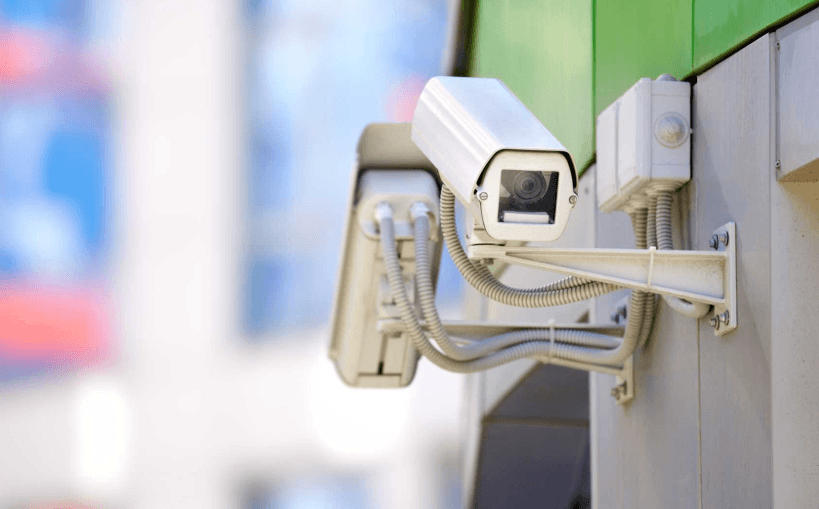
NDAA security cameras refer to surveillance equipment that complies with Section 889 of the National Defense Authorization Act, a U.S. federal law that restricts the use of certain foreign-manufactured video surveillance equipment in government-funded projects. This legislation was introduced primarily due to national security concerns surrounding data privacy and potential vulnerabilities in equipment manufactured by specific restricted companies.
For any organization working on federal contracts — or receiving federal funding — installing non-compliant equipment isn’t just a compliance risk; it can result in the loss of funding, contract termination, or exclusion from future government projects.
Who Needs NDAA-Compliant Cameras?
NDAA compliance isn’t limited strictly to federal agencies. The following organizations often require NDAA-compliant security cameras:
- Government buildings and facilities at federal, state, and local levels
- Public schools and universities receiving federal funding
- Critical infrastructure operators (utilities, transportation, telecommunications)
- Contractors and subcontractors working on federally funded projects
- Healthcare facilities receiving certain types of federal grants
Even private businesses sometimes choose NDAA-compliant equipment as a precautionary measure, given the heightened scrutiny around data security and supply chain integrity.
Why NDAA Compliance Matters Beyond Legal Requirements
Beyond avoiding legal and contractual complications, NDAA-compliant cameras are often manufactured with stricter data security standards, reducing the risk of unauthorized data access or foreign surveillance vulnerabilities. For organizations handling sensitive information, this added layer of assurance is a meaningful benefit — not just a bureaucratic checkbox.
Key Features of NDAA-Compliant Security Systems
Verified Manufacturing Origin
Compliant cameras are produced by manufacturers not named in the restricted list under Section 889, ensuring the entire supply chain meets federal requirements.
Strong Data Security Standards
Many NDAA-compliant systems include enhanced encryption and secure firmware update processes to protect against unauthorized access.
Full Feature Parity
Buyers shouldn’t assume compliance means sacrificing performance — many NDAA-compliant cameras offer the same resolution, night vision, and smart detection features found in standard commercial systems.
Documentation and Certification
Reputable suppliers provide documentation confirming compliance status, which is often required during government procurement and audit processes.
How to Choose the Right NDAA-Compliant Camera Supplier
When selecting a supplier for government or compliance-sensitive projects, consider:
- Clear compliance documentation — suppliers should readily provide certification proof
- Product range — access to IP cameras, NVRs, PTZ units, and access control systems that all meet compliance standards
- Ongoing support — firmware updates and technical support that maintain compliance over the equipment’s lifespan
- Installation expertise — installers familiar with government project requirements and documentation standards
Common Mistakes to Avoid
Many organizations mistakenly assume that simply avoiding a few well-known restricted brands is sufficient for compliance. In reality, compliance extends to component-level sourcing, meaning some cameras that appear compliant may still contain restricted components. Working with a knowledgeable supplier who understands the full scope of Section 889 requirements helps avoid costly compliance failures.
Final Thoughts
For any organization involved in government contracts, public infrastructure, or federally funded projects, NDAA security cameras aren’t optional — they’re a requirement. Choosing a trusted supplier with verified compliance documentation, strong technical support, and a full range of compatible equipment ensures that surveillance projects move forward without legal or funding complications, while still delivering the performance and reliability modern security systems demand.
Common Questions About NDAA-Compliant Cameras
Does NDAA compliance apply only to cameras? No — compliance requirements can extend to related equipment such as recorders, network switches, and access control hardware used in the same federally funded project.
Can private businesses use NDAA-compliant cameras even without a government contract? Yes, many private organizations choose NDAA-compliant equipment as an added layer of supply chain and data security assurance, even when not legally required to do so.
How can I verify a camera is truly NDAA-compliant? Request written documentation or certification from the supplier confirming the manufacturer and components are not on the restricted list under Section 889, rather than relying solely on marketing claims.